Cuteness ≠ immaturity
Cute rock can be jealous, angry, unpleasant, and adult. Cuteness is a way of presenting things, not the character’s age.
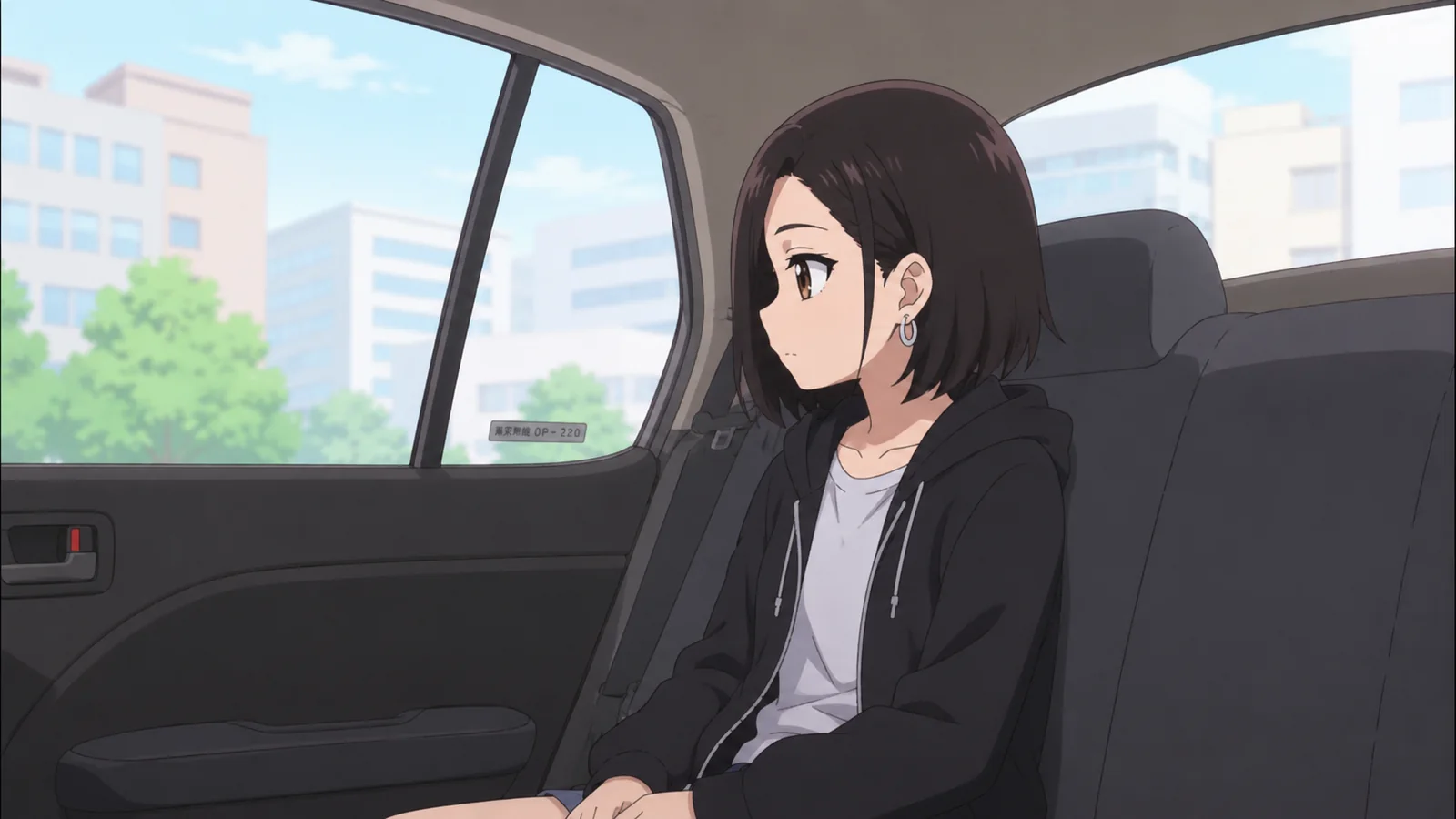
The most boring version of cute rock is the one where every protagonist is good, every emotion is safe, and every sharp word comes pre-wrapped in pink foam.
Cuteness is a camera angle
Someone gets jealous and makes a scene. Cute rock often notices the absurdity inside it: he’s said “I don’t care” three times and has already spent ten minutes scrolling through someone else’s photos.
The emotion doesn’t become childish. The writer just notices what’s funny.
Unpleasant feelings are allowed
Allowed. Just don’t romanticize control.
Cute vocals work especially well when the words bite.
“Why did I send that?” is excellent fuel.
Cute doesn’t require sterility or being school-age forever.
Pink guarantees nothing
Hearts and hair clips can work. But if the visuals only know “cute,” they turn into a ready-made kit from an online marketplace. A new hair clip next to an old jacket is more interesting; clean typography next to a stupid photo.
Where’s the line?
Immaturity begins where a character is forbidden to be complex. They only get offended, fall in love, and never do anything unpleasant.
A cute protagonist with no flaws is a mascot. Cute rock needs a person.
Cute isn’t an age or a moral judgment. It’s closeness, movement, contrast, and the right of a serious emotion to look a little ridiculous.