Awkwardness is raw material
A clumsy phrase, a pause, one message too many, an overly honest answer. Cute rock is especially good where someone tried to seem normal and failed.
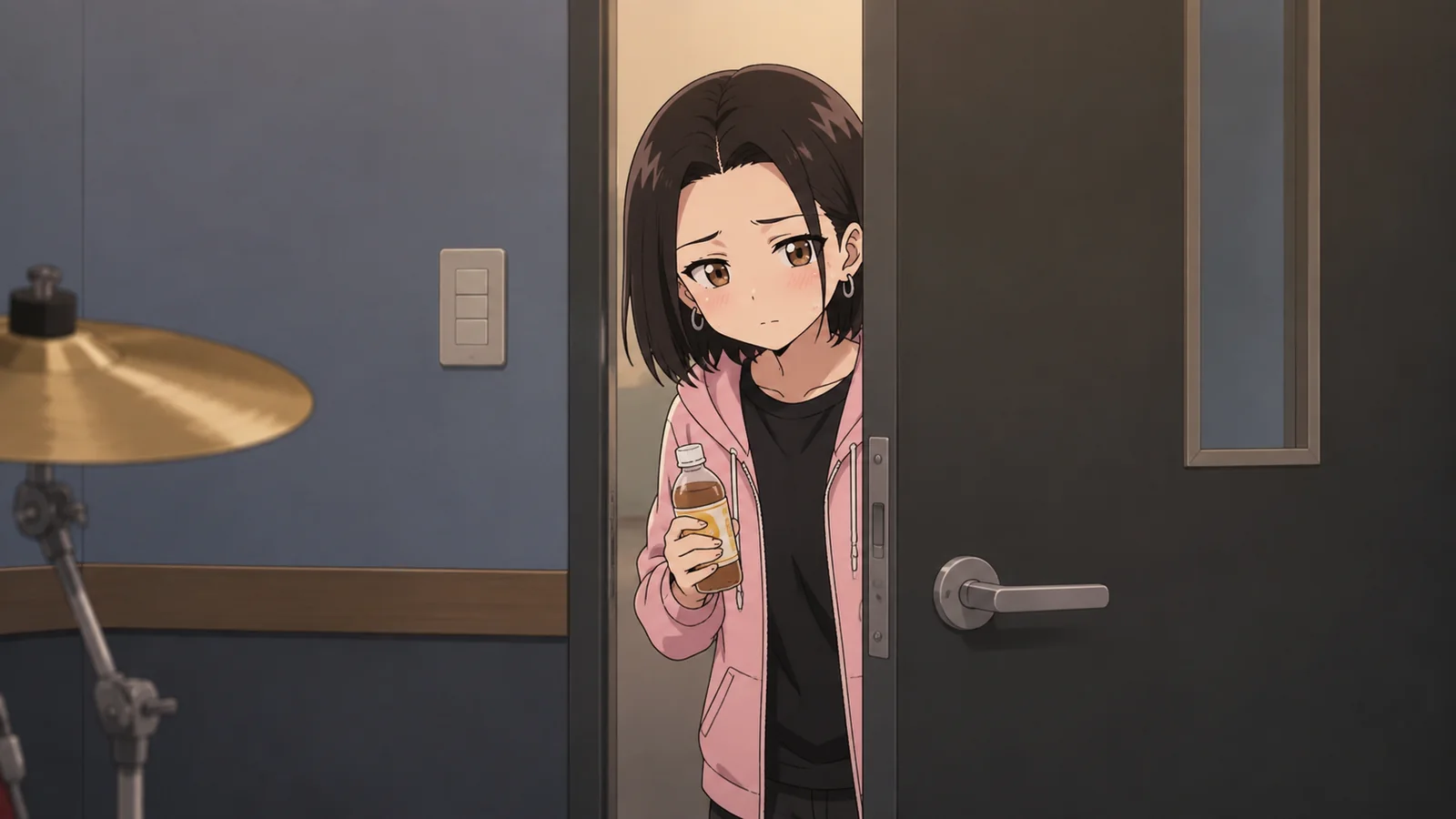
Confidence looks good on a poster. Awkwardness is more useful for a song.
Awkwardness gives away the truth
As long as someone stays in control, they say the right things. A slip reveals what matters: they said too much, agreed too quickly, stayed silent too long.
Cute rock doesn’t have to explain the feeling—showing that slip is enough.
Four beautiful failures
The second one was supposed to fix the first. It made things worse.
Waited an hour, replied in two seconds.
Tried to ease the tension and made things more honest.
“I just happened to be here”—after traveling across the whole city.
Music amplifies the embarrassment
Sometimes an awkward phrase needs a pause. One empty beat. The voice is left without support, and the listener has time to think: oh no, she really said that.
A pause after an awkward line is a musical “oops”.
Don’t turn the protagonist into a clown
If a character messes up every second, awkwardness stops being a revelation. Contrast works: they’re composed most of the time, and give themselves away at exactly one point.
What would the protagonist never want to tell their friends about? That might be exactly what you should keep.