A small problem = the end of the world
The genre’s main dramatic engine: an event can look funny from the outside and feel enormous from within.
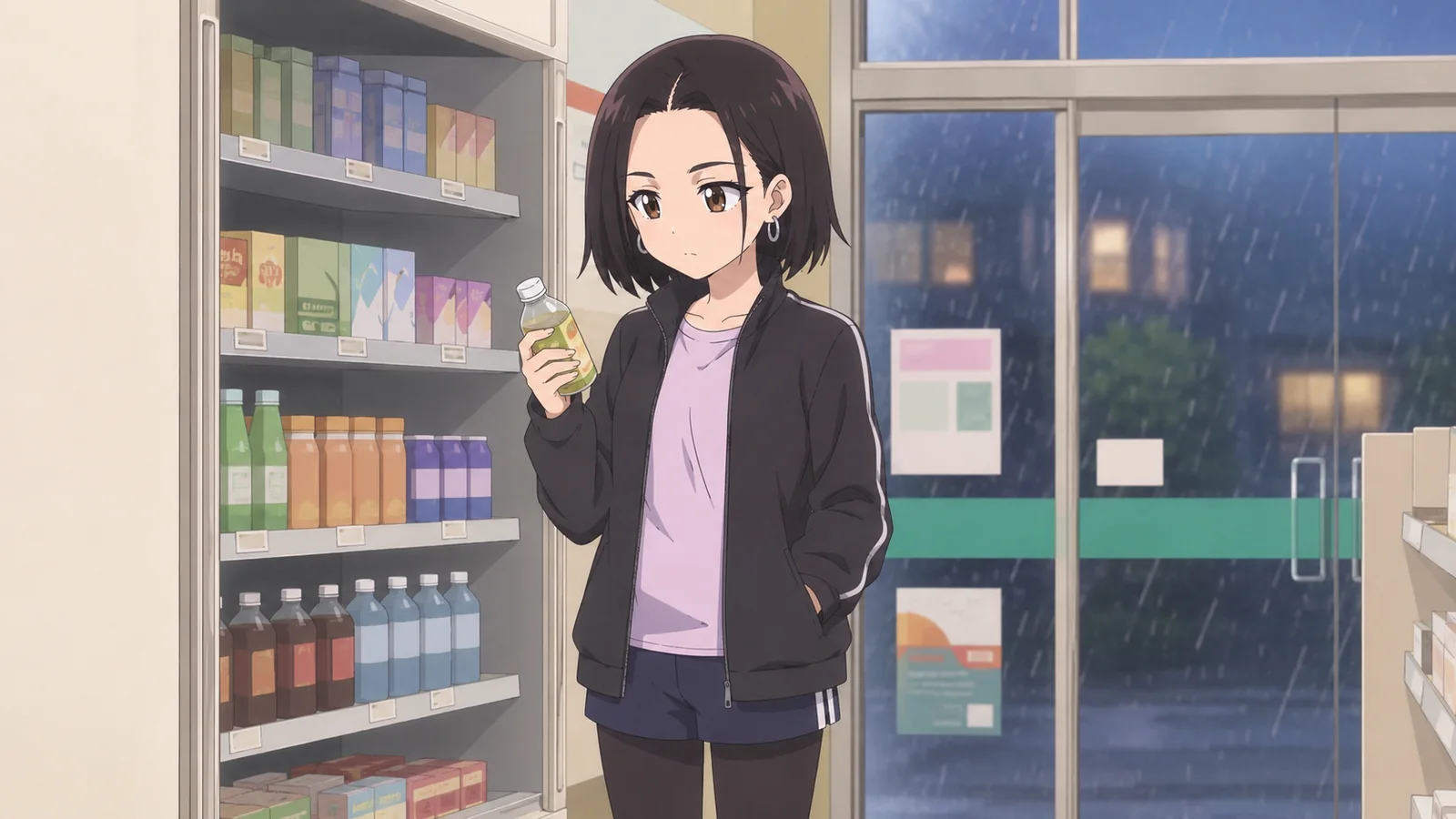
The objective size of an event has almost nothing to do with how hard it wrecks you. Cute rock understands this better than a lot of adults.
Why small things work
A major tragedy comes with its importance built in. A small one needs music. Someone stares at “read” for five minutes, and the guitar gives that scene the scale it has inside their head.
An event needs a shot
The protagonist stands outside the apartment building and doesn’t ring. Deletes a long message. Returns someone’s things through a mutual friend. Hears a familiar song at the supermarket. The less the writer explains “what it means,” the more room the listener has to put themselves in it.
Announce straight away: “we’ve lost our love.”
Start with a bag of his things by the door.
The chorus makes it bigger
The verse brings the details. The chorus brings the reaction. It doesn’t have to tell us anything new. Sometimes one phrase the protagonist has finally stopped being embarrassed to say is enough.
The verse says: “he didn’t reply.” The chorus answers: “well, that’s the end of the world”.
The limit
If every little thing is an apocalypse, by the third song it’s a comedy. You need variation. The protagonist can understand: yes, it’s stupid—and it still hurts.
A serious subject, on the other hand, shouldn’t be shrunk for the sake of “cuteness.” The story chooses the scale.
Take jealousy, a breakup, or the fear of being unwanted. Forbid yourself from naming the feeling. Find one action that gives it away.